


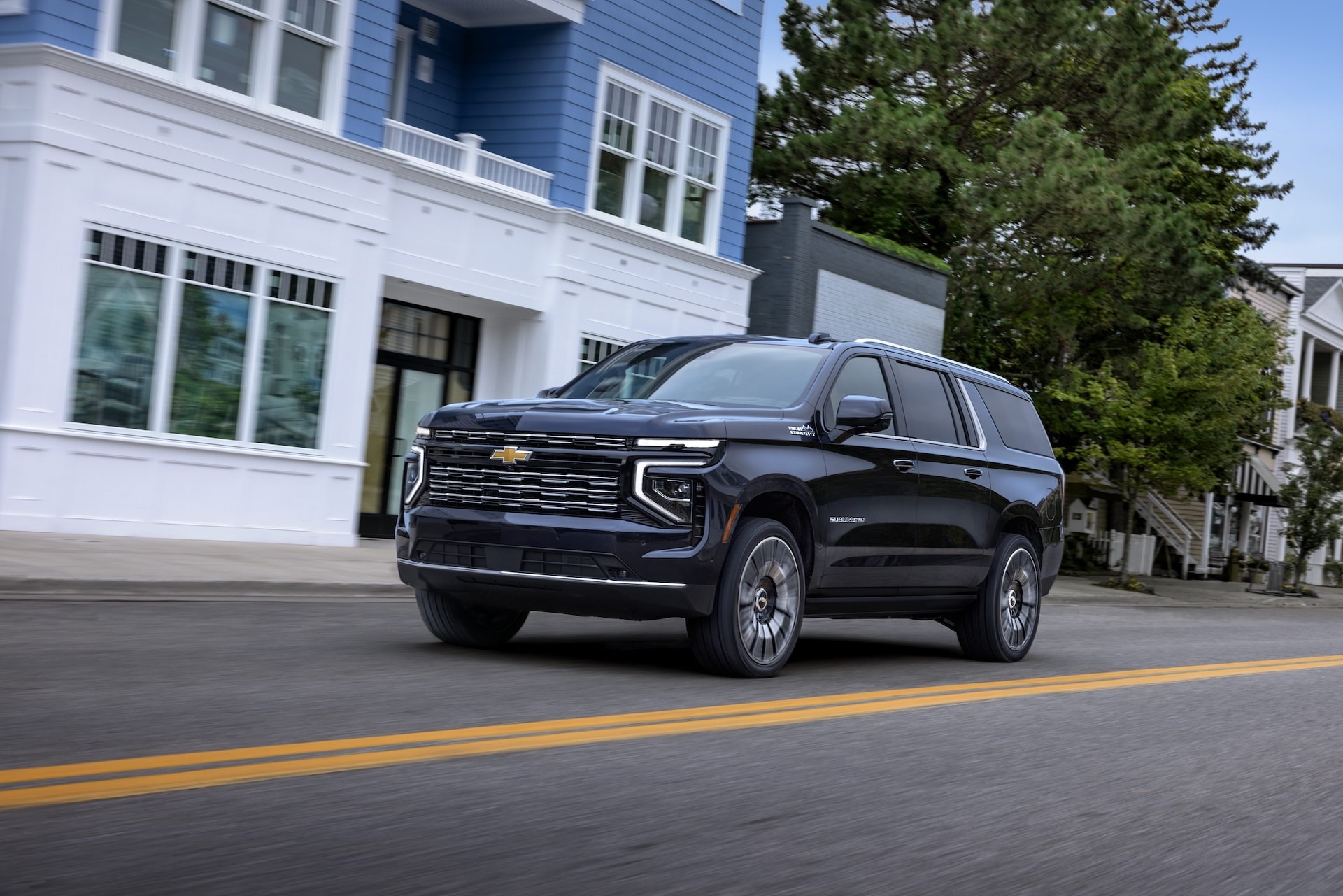
 The Tahoe and Suburban are so well established in their category that they are practically the default full-size truck-based SUVs. The Suburban is America’s longest-running nameplate, dating back 90 years to 1935. The Tahoe, which shares nearly everything with the Suburban except for length, first appeared 30 years ago for the 1995 model year. Both models are built in either Arlington, Texas, or Janesville, Wisconsin, with additional plants in Mexico, Argentina, and Venezuela. Chevrolet has honed these models to align with consumer preferences for many decades, but this Dieffenbach Chevrolet post seeks to answer which model is best for you.
Both models received the same updates for 2025, featuring fresh front-end styling, a new Google Built-in infotainment operating system, and improved performance for the available 3.0-liter turbodiesel inline-six, which now delivers 28 additional horsepower for a total of 305, along with 35 more lb-ft of torque for an impressive 495, surpassing all engine options. The standard engine for both models is a 355-hp 5.3-liter gas V8 with 383 lb-ft of peak torque. Also available on all trims except the LT and LS is a 420-hp 6.2-liter gas V8 with 460 lb-ft of torque. All engines are paired with a 10-speed shiftable automatic. Most trims come standard with rear-wheel drive, while all trims offer all-wheel drive, which is standard on some.
The Big Difference
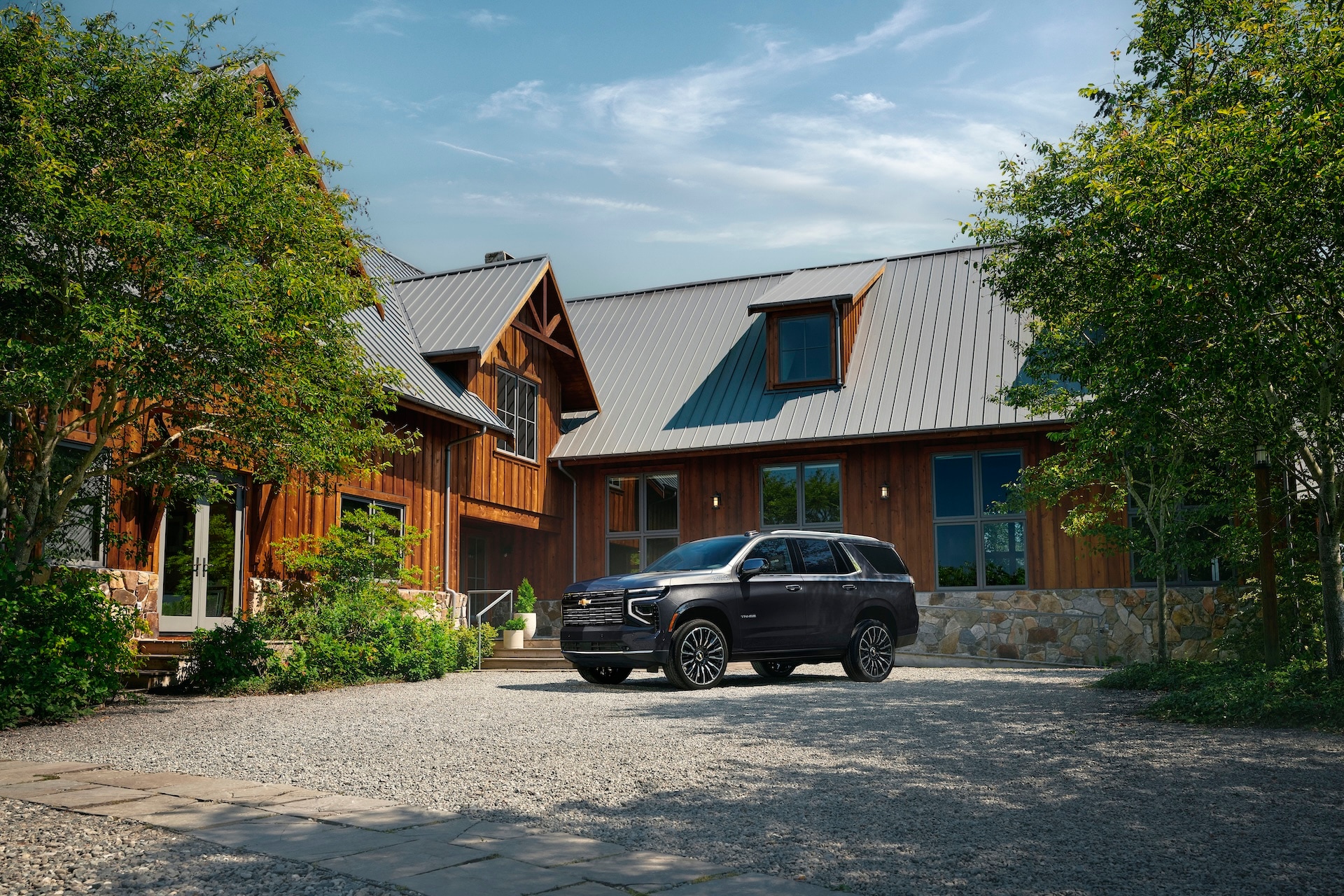
The most obvious distinguishing factor between the two models is their length, and almost all other differences relate to it. Visually, the Suburban has full rear doors, while the Tahoe does not. The Suburban has a 14-inch-longer wheelbase (11-feet 2-inches vs. 10-feet) and 15 additional inches of overall length (18-feet 10-inches vs. 17-feet 7-inches). Inside, the Tahoe’s 34.9 inches of third-row legroom already exceeds that of most three-row SUVs, but the Suburban adds 1.8 more inches for a total of 36.7. The biggest difference lies in cargo space. Again, the Tahoe is no slouch in this area, offering 25.5 cubic feet behind the third-row seat, expanding to 72.5 with the third-row seat down and 122.7 cubic feet in full cargo mode. The Suburban is one of the very few models available that can surpass these figures, with 41.5 cubic feet behind the third-row seat, 93.8 with that seat down, and a massive 144.5 cubic feet with both sets of rear seats folded. While both models can seat a maximum of eight people, the Suburban is the rare breed that can accommodate the luggage of all eight in the back at the same time.
The Suburban’s additional length increases its weight by about 170 pounds over the Tahoe, which gives the Tahoe a nearly inverse advantage in maximum towing capacity: 8,400 pounds for the Tahoe and 8,200 pounds for the Suburban. Ironically, considering the cargo capacity differences, the Tahoe offers a larger payload capacity of 1,834 pounds compared to 1,750 pounds for the Suburban.
Nearly Identical MPG
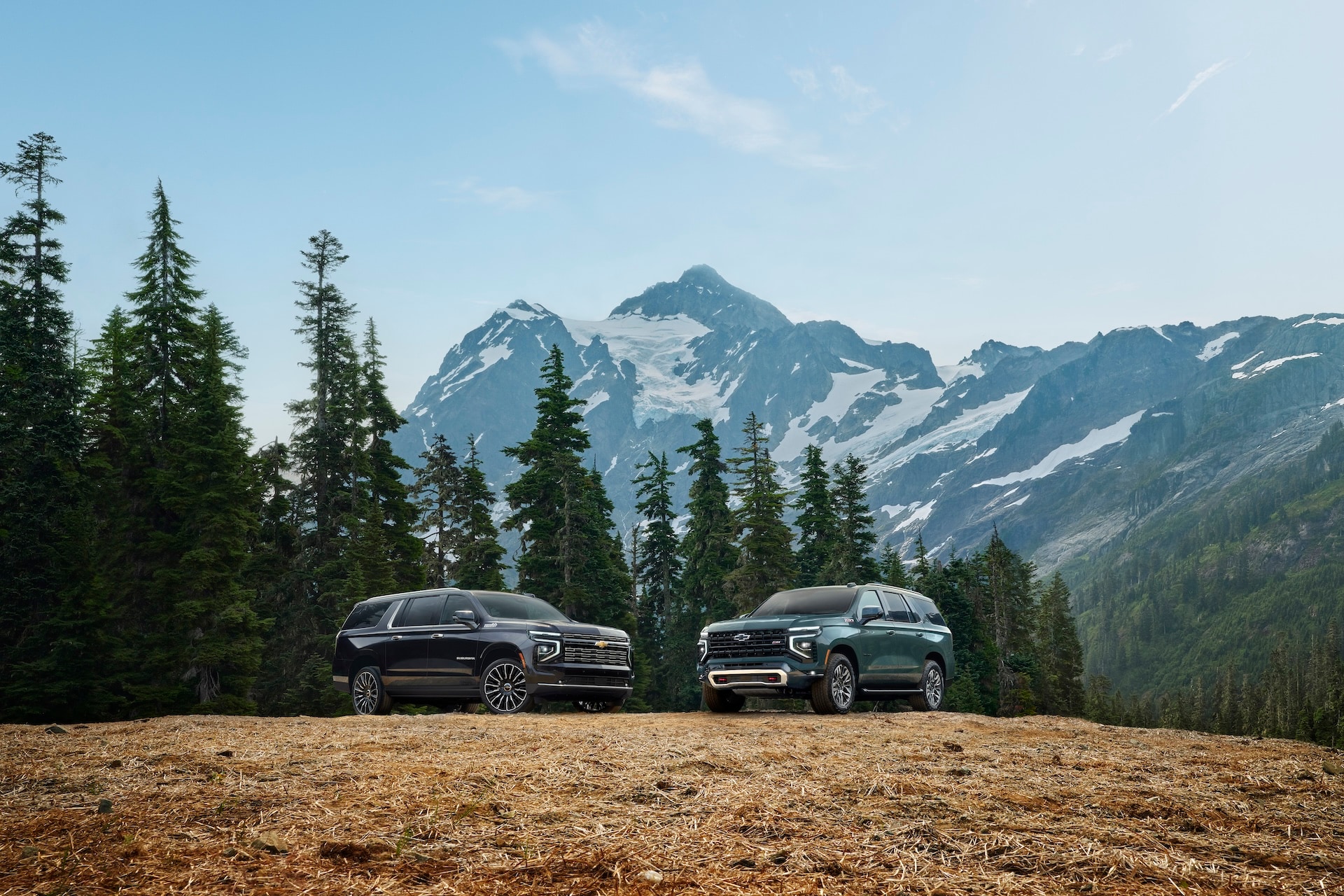
Perhaps counterintuitively, one place where the Suburban’s extra size does not make much of a difference is in fuel economy. With the standard engine and rear-wheel drive, both models are EPA-rated at 15 (city), 20 (highway), and 17 mpg (combined). They are most efficient with the diesel, where the Tahoe gets 22/26/24 mpg. The Suburban is nearly identical at 21/26/24 mpg.
With the same dash and feature packaging across the model lineups, that about sums up the differences between the two models, except, of course, for one last thing. The Tahoe has a slightly higher starting MSRP.
Either Choice Is a Winner
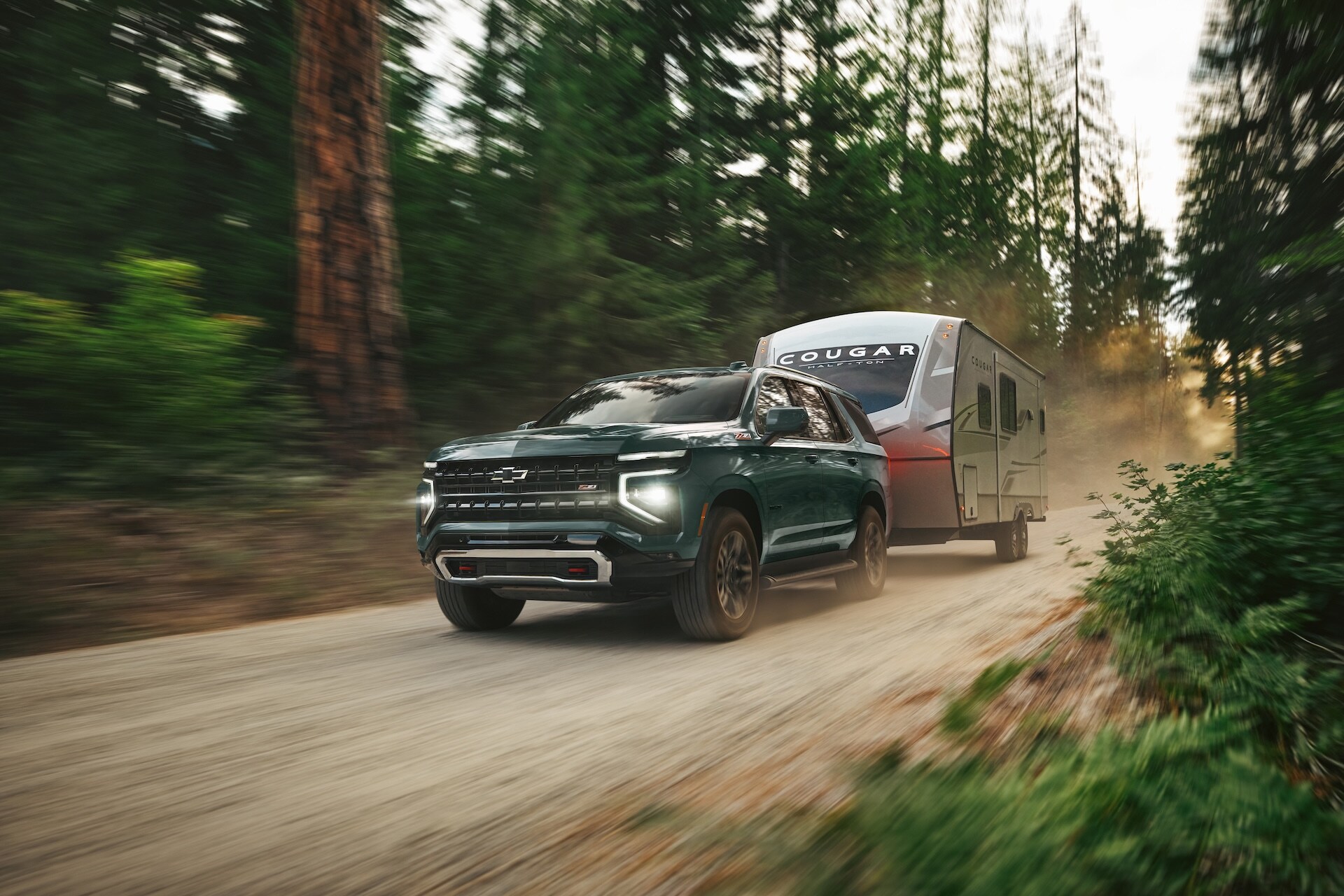
Overall, the choice between the two depends on how often and who you plan to have in the third-row seat and if you need the additional cargo space offered by the Suburban. And, of course, there is the cost difference, in which you could weigh the extra space of the Suburban versus possibly a higher trim level in the Tahoe.
Choosing between the two is not a bad position to be in, and we invite you to make your choice at the Dieffenbach Chevrolet, which typically offers a solid selection of both models.