


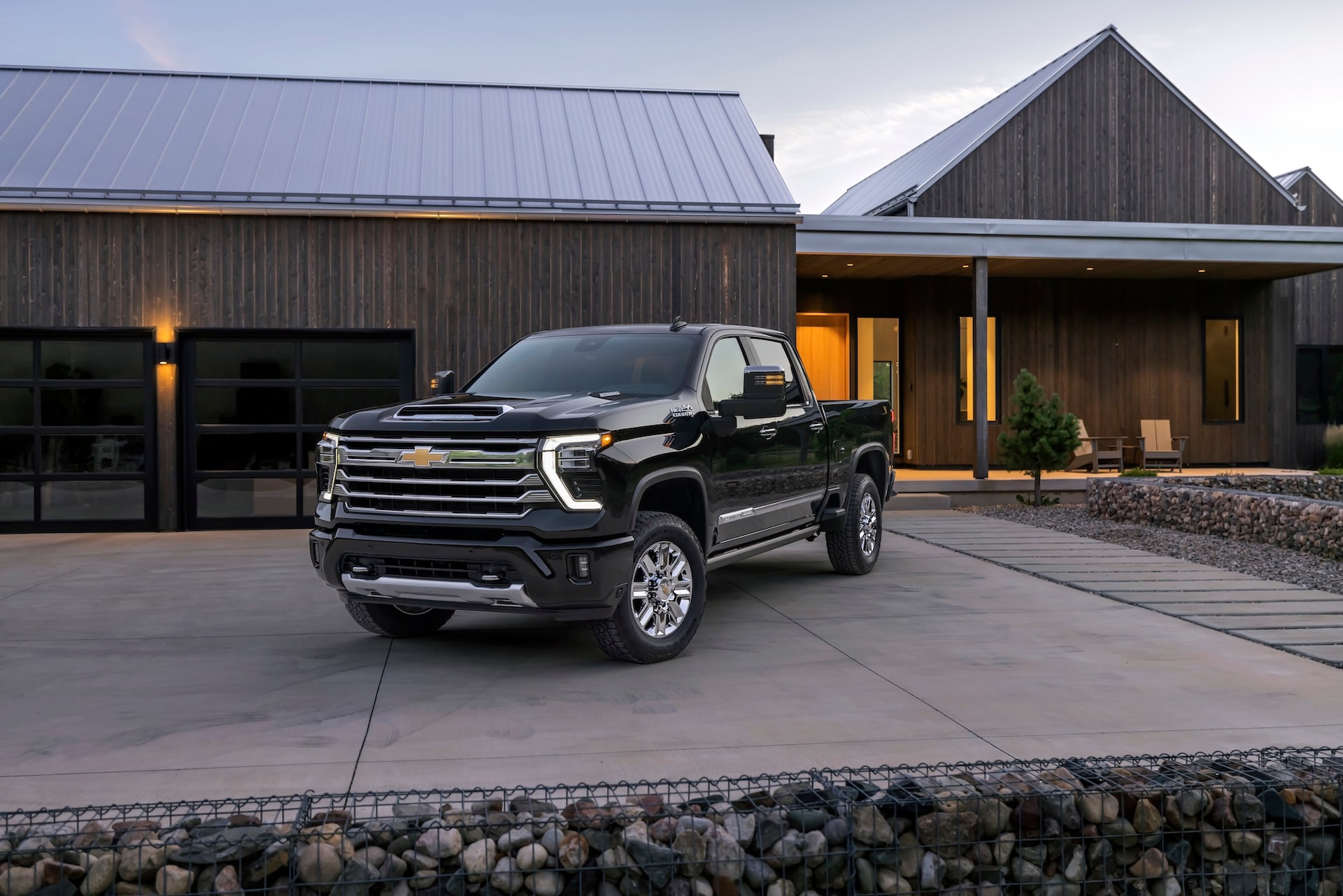
 Many vehicles offer engine choices. One may be larger and more powerful than the other, or these days, the more powerful option could be smaller but turbocharged. When it comes to the Chevrolet HD trucks available at Dieffenbach Chevrolet, the choice is between two different internal combustion systems that use two entirely different fuels: gasoline and diesel. Each has its advantages, so which is right for you?
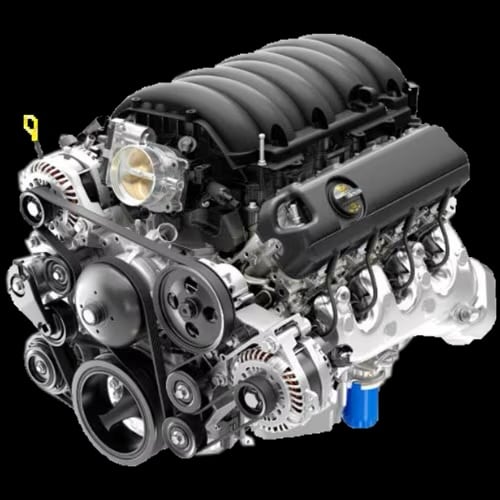
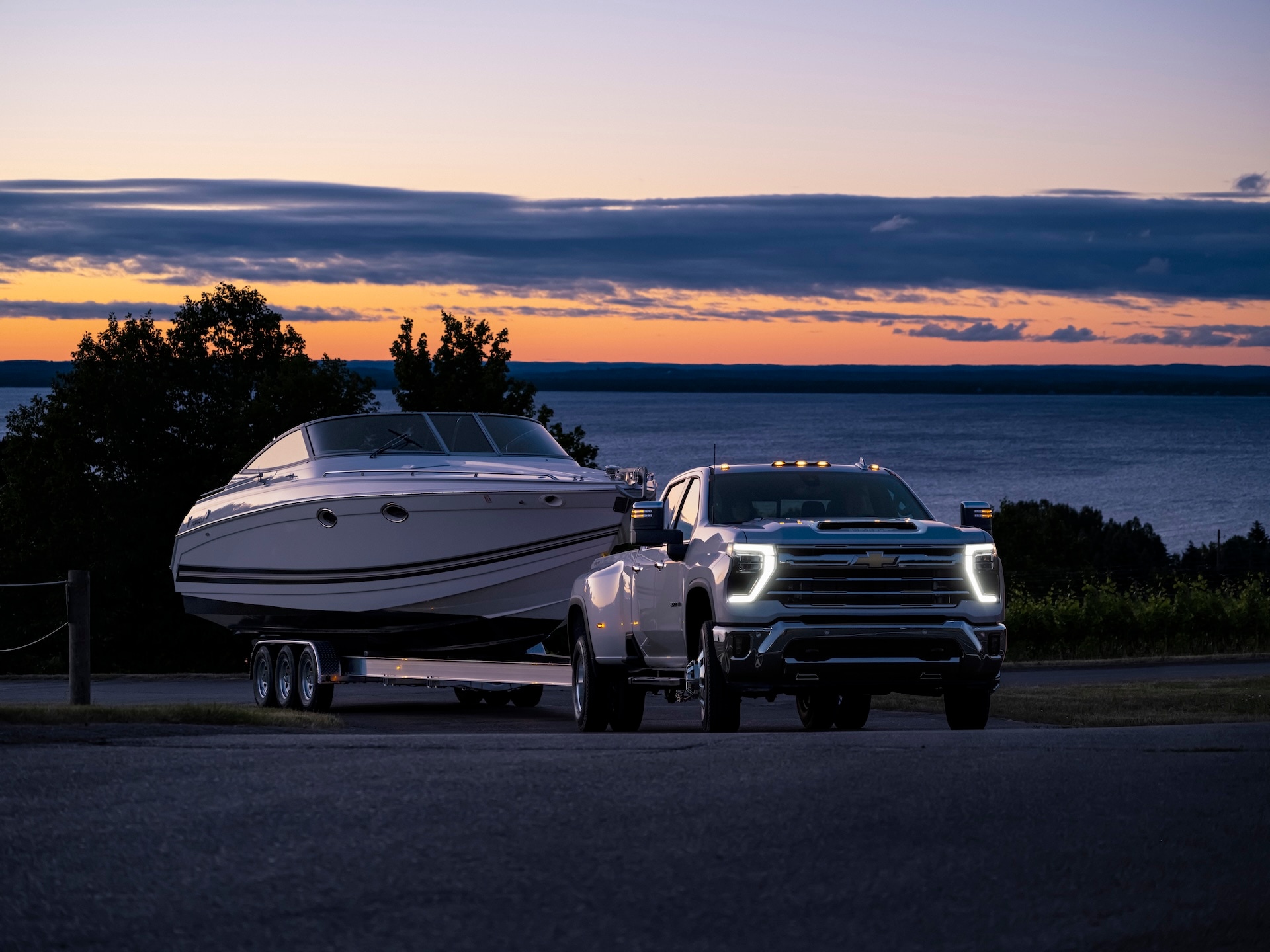
The Silverado HD truck comes standard with a 6.6-liter V8 gas engine. The engine is relatively uncomplicated, featuring no turbochargers, overhead cams, or variable valve timing, but it does include a modern fuel injection system. It produces 401 horsepower and 464 lb-ft of torque, with the torque peak occurring at 4,000 rpm. This engine is paired with a 10-speed Allison transmission. Since towing is often the reason for choosing an HD truck, a 2500HD with this engine and a 4x2 drivetrain has a maximum towing capacity of 17,400 pounds for the 2500HD and 26,000 pounds for the 3500HD models.
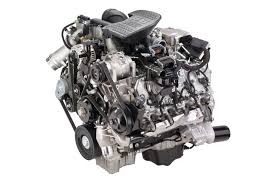
The 6.6-liter Duramax turbodiesel V8 is an option for Silverado HD trucks, with an additional cost of just over $10,000. It shares the same engine displacement and configuration as the standard gasoline 6.6-liter V8 and is paired with the same 10-speed Allison transmission, but that is where the similarities end. As the name suggests, the Duramax is turbocharged. This results in more horsepower than the gas engine, at 470 horsepower, but the real difference lies in the torque, where the Duramax is rated at a remarkable 975 lb-ft of peak torque, which arrives at just 1,600 rpm. This torque significantly impacts the maximum towing capacity, which rises to 22,500 pounds on the 2500HD and 36,000 pounds on the 3500HD models. If you plan on towing very heavy loads, your decision may already be made for you.
Generally, turbodiesel engines have better fuel mileage than their gas counterparts, but things get a bit unclear here because the EPA does not provide mpg estimates for HD trucks. Third-party testing usually shows the diesel getting 18 mpg on the highway, while the gas engine version of the same truck gets 15, although some have recorded 16 to 17 mpg. It’s worth noting, however, that diesel engines retain more of their efficiency when towing heavy loads. So, not only is the Duramax likely to be less stressed when pulling, but it will likely do so with a lower efficiency penalty. On the other hand, there can be a difference in the cost of fuel itself, with diesel generally running higher than gasoline in Rockingham, North Carolina.
The higher cost of fuel, the required diesel exhaust fluid ($6/gallon at about 2.5 gallons every 300 to 500 miles), the additional $10K premium in the price of the diesel option, and generally higher maintenance costs can easily make owning a diesel engine more expensive. However, another consideration is that while diesel engines are more costly to maintain, they can be expected to last longer.
 There is no single best choice when it comes to diesel and gas engines for an HD truck. It depends on how much you plan to tow, what kind of mileage you anticipate driving per year, and how long you want to keep the truck. Now you can see why Chevrolet offers both engines.
Consider all of these usage factors before deciding which engine you want in your HD truck. Then, visit Dieffenbach Chevrolet, where sales professionals can provide more details and advice depending on how you plan to use your HD truck.